

Eastern Cornbelt:
Heat and humidity continued to blanket much of the Eastern Cornbelt during the first days of August, sparking several strong thunderstorms in the region.
Storms swept through parts of central Illinois on Aug. 2, causing wind damage, power outages, and flash flooding in Gerald, Ill. Moderate-to-heavy rain was also reported in southern Indiana at midweek, with spotty showers expected across central Ohio as the week progressed.
Good or excellent ratings were assigned to 63-69% of the corn and soybeans in Indiana and Ohio on July 30, compared with 46-49% in Illinois and 43-44% in Michigan.
Western Cornbelt:
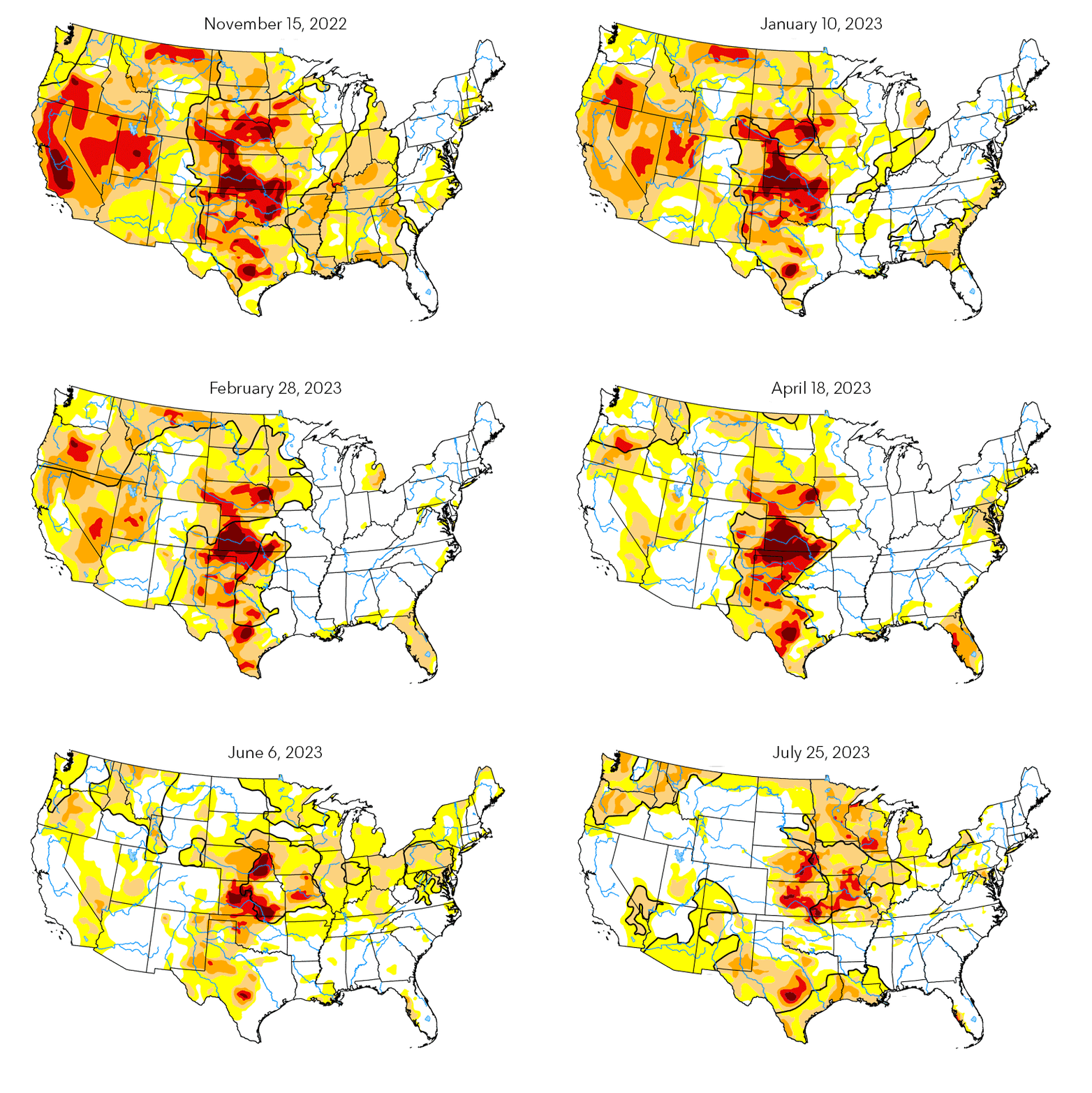
A powerful storm dropped 2-6 inches of rain across western and southern Iowa on Aug. 1-2, prompting several flash flood warnings and raising hopes of relief for drought-stressed corn fields. Extreme-to-exceptional drought continued across parts of southern and western Iowa, eastern Nebraska, and northern Missouri in early August.
Strong thunderstorms also ripped through the St. Louis area at midweek, with 3-5 inches of rainfall reported. Storms fired up across western and northern Nebraska as the week progressed, fueled by humid conditions and temperatures in the 80s.
Just 25-28% of Missouri’s corn and soybeans were rated as good or excellent on July 30, well behind Nebraska’s 54-57% and Iowa’s 55-59%. Good or excellent ratings were assigned to 62% of Nebraska’s sorghum crop, along with 70% of Missouri’s cotton and 76% of the state’s rice crop.

Northern Plains:
Large hail and powerful winds caused extensive crop damage in parts of western North Dakota on Aug. 1, with reports of wind gusts approaching 100 mph. The area also received several inches of rain as the storm passed through, and a tornado briefly touched down in fields near Wilton, N.D.
Heat and high humidity were reported across central and southern Minnesota during the week, though up to two inches of rain fell in the Twin Cities area on Aug. 1. Forecasts called for an increased chance of rain by the coming weekend.
Good or excellent ratings were assigned to 47-57% of the region’s corn on July 30, along with 44-51% of the soybeans. South Dakota’s spring wheat was struggling at just 28% good or excellent on that date, while 44-54% of the acreage in North Dakota and Minnesota fell into those two categories.
The regional barley crop was 48-57% good or excellent by the end of July, while oats in those two categories totaled 34% of the acreage in Minnesota and 47-49% in the Dakotas.
Northeast:
Forecasts warned of back-to-back thunderstorms across much of the Northeast as the week progressed, fueled by high humidity across the region.
The first round of severe weather was expected over the central Appalachians and the northern tier of New York and New England late on Aug. 3, with forecasts warning of strong winds and localized flash flooding. The second wave of thunderstorms was expected on Aug. 6-7, with an even greater potential for severe weather.
Crop conditions were favorable across the region in late July. Good or excellent ratings were assigned to fully 79% of Pennsylvania’s corn and 58% of the state’s oat crop on July 30.
Eastern Canada:
Tornado watches were in effect across eastern Ontario on Aug. 3 as strong thunderstorms surged through the region. The previous day had produced elevated tornado risks in northern Ontario due to multiple bands of thunderstorms fueled by high heat and humidity.
Environment and Climate Change Canada (ECCC) issued a warning for strong thunderstorms over much of southern Quebec on Aug. 3, noting the potential for strong wind gusts, tornadoes, large hail, and torrential rain. The last days of July brought thunderstorm watches and heat warnings to portions of the Maritimes as well.