

Eastern Cornbelt:
Clear, cool weather allowed growers to make significant strides on the fall harvest, and also apply fall fertilizer at a brisk pace in the region.
Temperatures in the 50s and 60s were reported in central Illinois, with lows falling to near freezing. Central Indiana experienced similar conditions, along with 15-20 mph winds at midweek. Highs were reported in the upper-40s and low-50s across northern Ohio, reaching the 50s and low-60s in southern areas of the state.
The corn harvest as of Nov. 5 was 90% complete in Illinois, 68% in Indiana, 45% in Ohio, and 40% in Michigan, with only Illinois tracking ahead of its five-year average. The soybean harvest was 95% complete in Illinois, 87-89% in Indiana and Ohio, and 70% in Michigan. Michigan growers also had 80% of the sugar beets harvested by Nov. 5.
Western Cornbelt:
Much of Iowa and Nebraska saw highs in the mid- to upper-50s and lows down to the 30s and upper-20s during the first full week of November. Gusty winds were also reported in northern Iowa at midweek.
Missouri was the exception, where St. Louis temperatures soared to a record 83 degrees on Nov. 8. Much cooler weather was on tap for the balance of the week, however, with highs falling to the low-60s on Nov. 9-10.
The fall harvest continued to track ahead of the average pace for most crops in the region. Regional growers had 84-89% of the corn in the bin by Nov. 5, while the soybean harvest had progressed to 97% complete in Iowa, 95% in Nebraska, and 84% in Missouri. Missouri’s cotton harvest was 84% complete, with Nebraska’s sorghum harvest rated at 82% complete.

California:
Heavy rain hit parts of Northern California early in the week, with up to six inches of snow reported in the Sierra Nevada. Another system is expected to bring more precipitation to the state on Nov. 13-15, with up to a foot of snow expected in the Sierra and an inch or more of rain in the valleys.
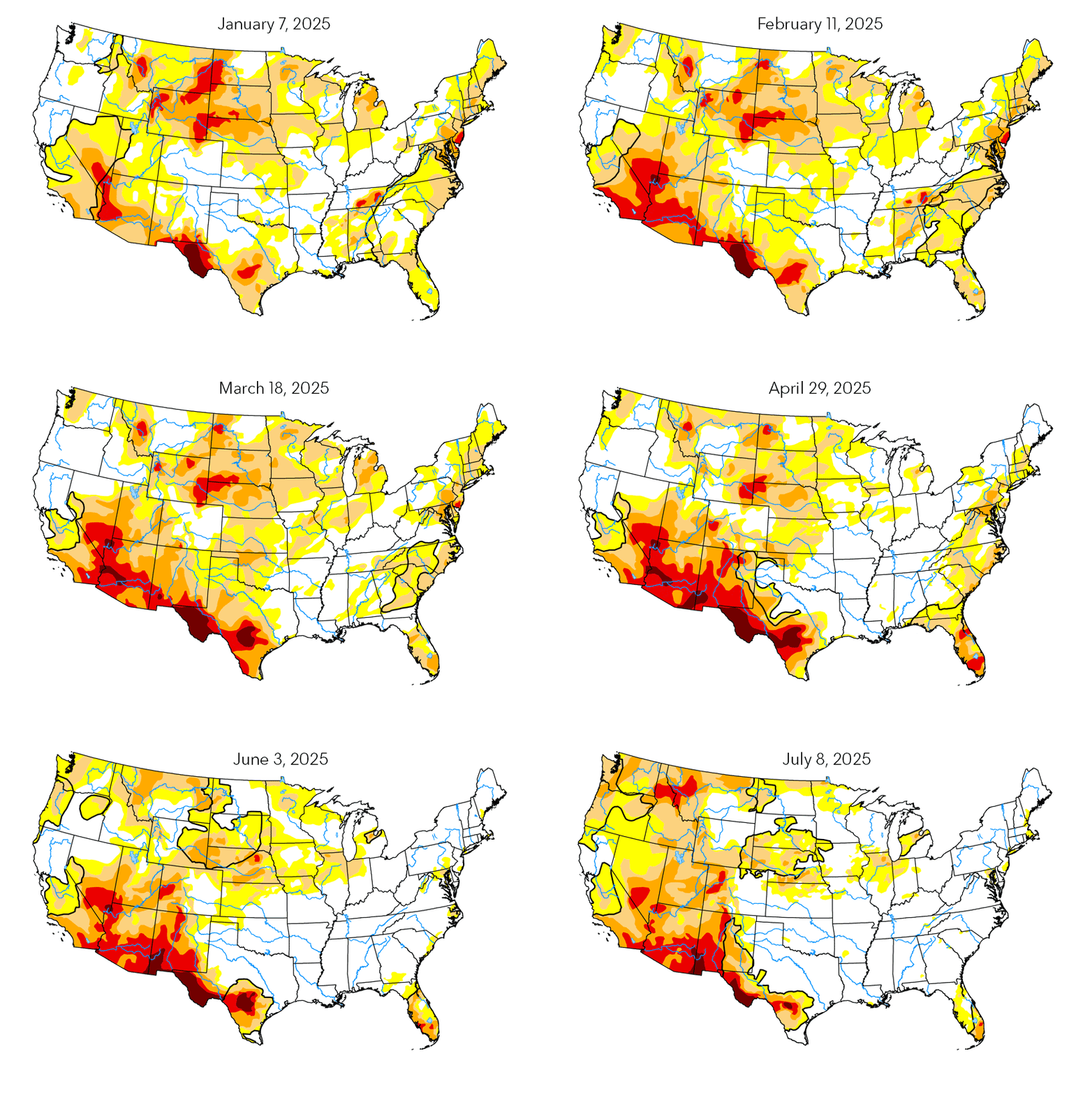
Gusty Santa Ana winds sparked a number of red flag fire warnings in Southern California during the week, but the Nov. 9 US Drought Monitor showed California as largely drought-free, with only small patches of dryness reported on the extreme northern and southern edges of the state.
The cotton harvest as of Nov. 5 was 35% complete in California and 44% in Arizona, with both states trailing the average pace. California’s winter wheat crop was 35% planted and 15% emerged by that date.
The fertilizer market was fairly quiet in the state as growers finish the fall harvest. “We expect to see some activity in orchards in the next several weeks with growers applying some blends,” said one contact. “Most fall tons are in place and likely won’t see much replacement activity for the next couple of weeks, or perhaps December.”
Pacific Northwest:
Western Oregon and Washington were hit with rain in the valleys and snow in the Cascades during the week. Breezy weather with highs in the 40s was common across western Montana and Idaho in early November.
Idaho growers had 92% of the sugar beets harvested by Nov. 5, while winter wheat planting had progressed to 88% complete in Oregon, 97% in Montana, and 100% in Idaho and Washington.
Western Canada:
Winter weather hit parts of southern Manitoba and Saskatchewan at midweek, with light snow, freezing rain, and 20-40 km/h winds causing poor road conditions and prompting several school closures across the region. Up to 10 cm of snow was in the forecast for parts of southeastern Saskatchewan.
Alberta experienced gusty winds and mild temperatures during the week, with wind advisories also in effect for the central and northern British Columbia coasts. Rain was in the weekend forecasts for coastal areas of southern British Columbia as the week advanced.