

Eastern Cornbelt:
Mild, breezy weather was reported across much of the Eastern Cornbelt during the week, but snow was expected to move into the region on Feb. 15-16.
Central Illinois was preparing for 1-4 inches of accumulation late in the week, while lesser amounts were expected across central and northern Indiana. After posting highs in the low-50s at midweek, Indiana was bracing for much colder weather by the weekend, with highs struggling to break out of the 20s by Feb. 17.
Light snow and windy weather were also in the forecast for northern Ohio as the week progressed, while Michigan was bracing for up to six inches of snow on Feb. 15, with a winter weather advisory covering much of the lower peninsula on Feb. 15-16.
Western Cornbelt:
Temperatures fell nearly 20 degrees in Iowa as the week progressed, with 2-4 inches of snow expected in many areas by Feb. 16. Colder weather was on tap for the weekend as strong winds were expected to push wind chills down to the single digits.
Winter weather advisories were also in effect for northern Nebraska late in the week, with forecasts warning of 2-5 inches of snow and low temperatures in the teens and 20s. Rain and snow were in Missouri’s forecast as well, with highs topping out in the upper-30s and low-40s by the weekend.
Forecasts called for another surge of warm air across the region during the following week, however, with highs once again climbing to the 50s and low-60s in many areas.

Northern Plains:
A winter weather advisory was in effect for parts of southern South Dakota and central Minnesota late in the week, with 2-6 inches of snow possible by Feb. 16, along with gusty winds.
The snowfall is long overdue as the region continues to experience one of the warmest and driest winters on record. Bismarck, N.D., notched an average temperature of 25.2 degrees from Dec. 1 through Feb. 12, the third warmest on record, with snowfall during that period totaling just 16.2 inches, less than half of normal.
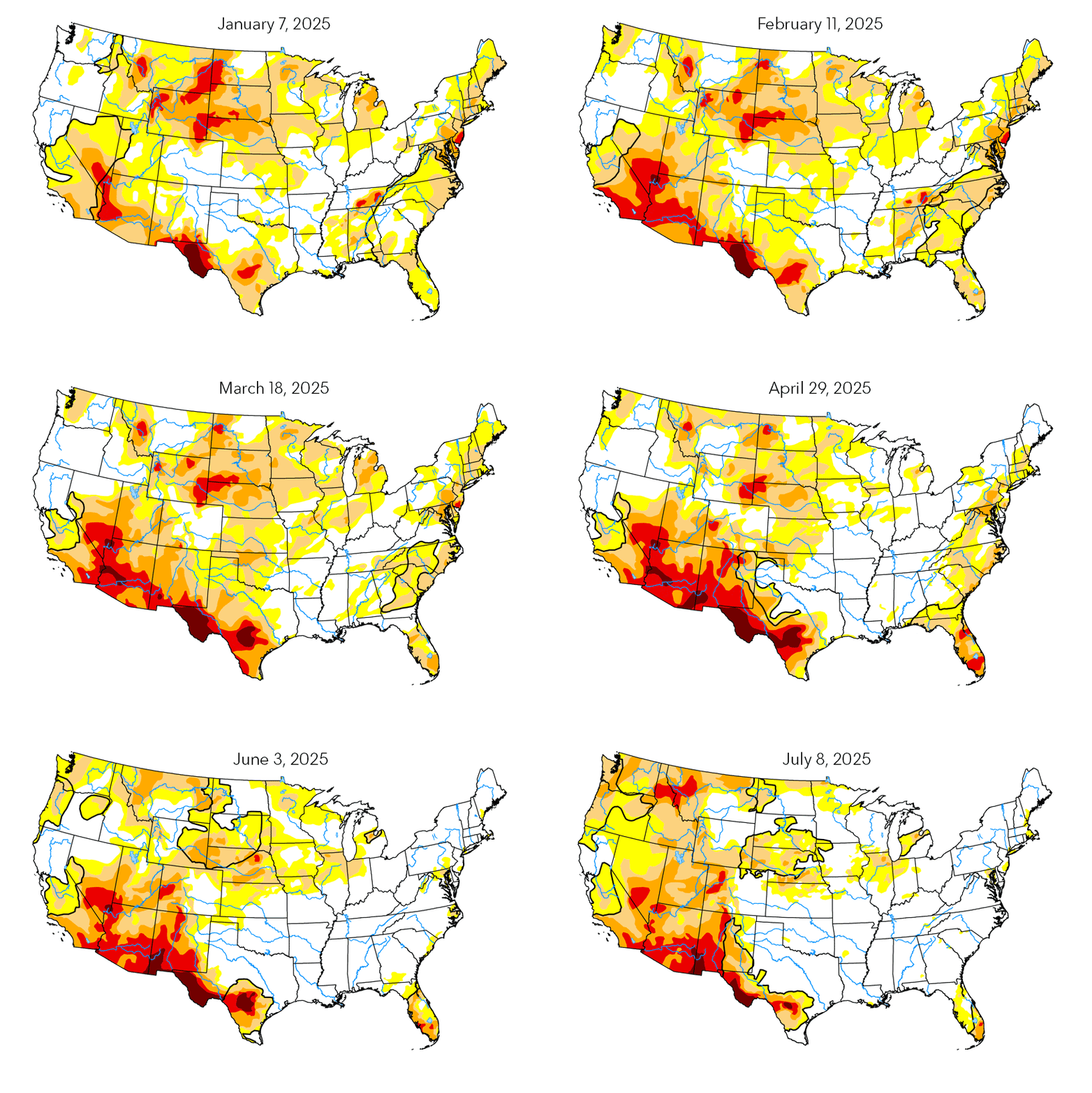
Drought conditions ranging from abnormally dry to severe were reported across the northern half of North Dakota and Minnesota on Feb. 15, with moderate drought evident in parts of southern Minnesota.
Northeast:
A powerful nor’easter left thousands without power across the Northeast early in the week, with heavy snow reported in parts of New England and the Mid-Atlantic region. More than 1,200 flights were canceled in the region at the peak of the storm.
Snowfall totals by Feb. 13 included more than 15 inches in West Hartford, Conn., 14.5 inches in Tobyhanna, Pa., 10.5 inches in Scituate, R.I., and 6.2 inches in East Falmouth, Mass. Temperatures fell after the storm, with midweek lows in the teens reported in southern New England.
Eastern Canada:
Southern Ontario was under a winter weather travel advisory late in the week as a burst of heavy snowfall moved through the region. According to Environment Canada, Toronto was bracing for 5-10 cm of snow, with around 15 cm expected in the Muskoka area.
Unseasonably mild temperatures continued across southern Quebec at mid-month, though Montreal was expecting 5-10 cm of snow as the week progressed. The Maritimes were hit with a much more significant snowstorm earlier in February, with 2-3 feet of accumulation reported in parts of Nova Scotia on Feb. 3-5. Halifax recorded just over 33 inches of snow during the storm.