Eastern Cornbelt:
Much
of the Eastern Cornbelt was bracing for severe thunderstorms late in the week,
along with a return of sweltering temperatures.
Highs in central Illinois climbed to the low-90s on June 17, but were expected to reach the mid-90s on June 18, with heat indices likely to reach the triple digits. Forecasts warned of two rounds of severe weather possible on June 17-18, with some areas bracing for 65 mph winds, ping-pong sized hail, and heavy rain.
Highs
in central Indiana were also expected in the mid-90s by the end of the week,
along with strong thunderstorms. All of Ohio was under a severe weather risk on
June 18 as well, with forecasts warning of damaging winds, hail, flooding
rains, and a small risk for a tornado.
Corn
emergence had increased to 95-98 percent in the region by June 13, with good or
excellent ratings assigned to 68-73 percent of the acreage. Soybean planting
was 95-96 percent complete by that date, with emergence at 86-91 percent.
Roughly 63-73 percent of the new soybean crop was rated as good or excellent at
mid-month.
Western Cornbelt:
Sweltering temperatures blanketed much of
the Western Cornbelt as the week progressed. Highs in the upper-90s were
reported in Iowa on June 17-18, with high humidity pushing the index to 98-107
degrees across the state.
The same was true for Nebraska, where
temperatures reached the triple digits and a heat advisory was in effect on
June 17 for southern and eastern areas of the state. Temperatures near 100
degrees were also in the Missouri forecast for June 18, with record highs
expected in some locations.
Sources expected sidedress demand on corn
to taper off during the week. The regional corn crop was 97-99 percent emerged
with good or excellent rating assigned to fully 87 percent of the acreage in
Nebraska, compared with 58-61 percent in Missouri and Iowa. Soybean planting in
the region had progressed to 85-100 percent complete by June 13, with
Nebraska’s sorghum crop estimated at 87 percent planted by that date.
Northern Plains:
High heat and humidity were reported in
the Dakotas at midweek, along with hot, gusty winds. Highs climbed to the
upper-80s and mid-90s as the week progressed, providing little relief to
growers facing serious drought conditions.
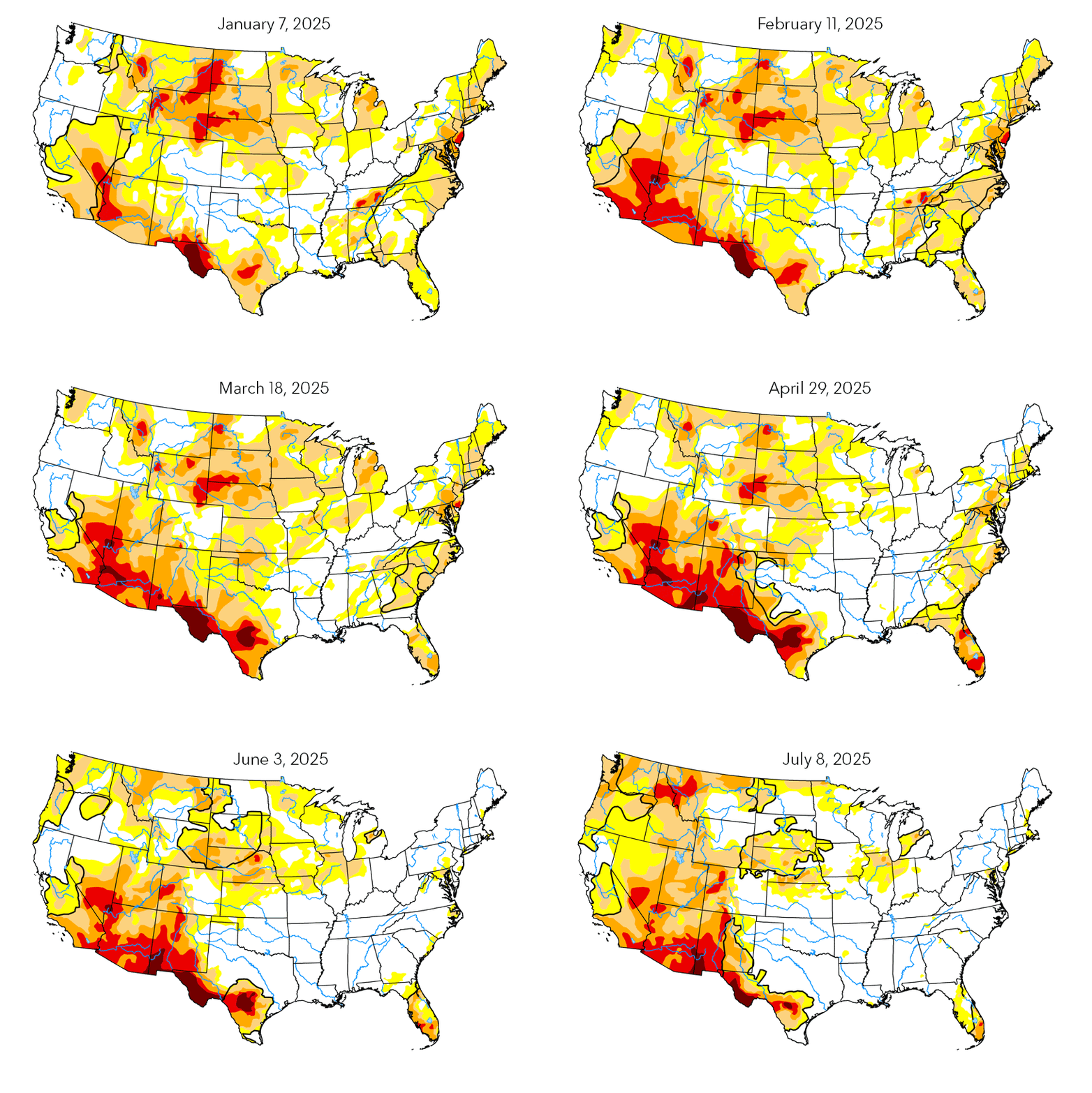
The June 17 U.S. Drought Monitor showed most of North Dakota in extreme-to-exceptional drought, with drought conditions across the northern two-thirds of South Dakota ranging from moderate to extreme.
Temperatures rose to the
mid- to upper-80s across Minnesota at midweek, with forecasts warning of
potentially severe thunderstorms in southern areas of the state on June 17.
That storm activity was also expected to touch parts of southern North Dakota
and eastern South Dakota late in the week.
The heat and drought
were starting to take a toll on new crops. With the spring wheat and barley
crops now 94-100 percent emerged in the Northern Plains, USDA assigned good or
excellent ratings to just 17-29 percent of the acreage in the Dakotas, compared
with 67-68 percent in Minnesota. South Dakota’s winter wheat was just 22
percent good or excellent as of June 13, with 89 percent of the crop headed.
Corn emergence was rated
at 90-98 percent in the Northern Plains, with good or excellent ratings assigned
to 42-45 percent of the acreage in the Dakotas and 58 percent in Minnesota.
With 83-97 percent of the soybeans emerged by June 13, just 24 percent of the
acreage in North Dakota was rated as good or excellent, compared with 45
percent in South Dakota and 61 percent in Minnesota.
Great Lakes:
Dry
conditions and gusty winds contributed to a red flag fire warning across
southern and western Michigan late in the week, with spotty thunderstorms
reported late on June 17. Nearly all of the state was experiencing drought at
mid-month, according to the June 17 U.S. Drought Monitor, with a wide band of
severe drought conditions stretching across the Lower Peninsula.
Moderate-to-severe
drought was also reported across the southern half of Wisconsin in mid-June,
but severe thunderstorms
were possible across much of Wisconsin on June 17, with the highest potential
for severe storms in southwestern and south-central areas of the state.
Corn and soybean crops
were 92-97 percent emerged in Michigan and Wisconsin as of June 13, with good
or excellent ratings assigned to 65-71 percent of the acreage in Wisconsin and
53-55 percent in Michigan.
Northeast:
Dry
conditions and highs in the 80s were reported across interior New England
during the week, with a return of high heat and humidity expected by the
weekend.
After
a round of thunderstorms earlier in the week, central Pennsylvania enjoyed
clear skies and comfortable temperatures for most of the week, but high heat
and humidity were on tap for the weekend. Maryland was also hit with strong
thunderstorms as the week began, with reports of flash flooding on June 14 in
the Baltimore area.
Sources reported some sidedress activity
on corn in the Northeast in early June. Pennsylvania’s corn crop was 81 percent
emerged by June 13, equal to the five-year average, with 76 percent of the
acreage rated as good or excellent.
Eastern Canada:
Ontario sources reported scattered
thunderstorms at mid-month, along with higher heat and humidity as the week
progressed. Hot, dry weather continued in Quebec, with reports of some early
crop stress emerging in parts of the province. Unseasonably hot weather was
also reported across the Maritimes in early June.
The dry weather in May and early June
allowed growers to wrap up planting quickly across the region, and also
contributed to heavy fertilizer application volumes. Sources reported some
supply constraints during the heaviest application period, with tight
inventories persisting into June.
“We are just finishing up sidedress on
corn, and are certainly over the hump,” said one regional contact. “I think
spring volumes should be good and up over last spring, based on at the end it
seemed we were running out of everything and scrambling to finish.”
“Still lots of nitrogen usage going on, but P and K
has slowed down,” added another source. “We have had a great planting season
here across the Eastern region. Now all we’re waiting for is enough rain
through the growing season.”