

Eastern Cornbelt:
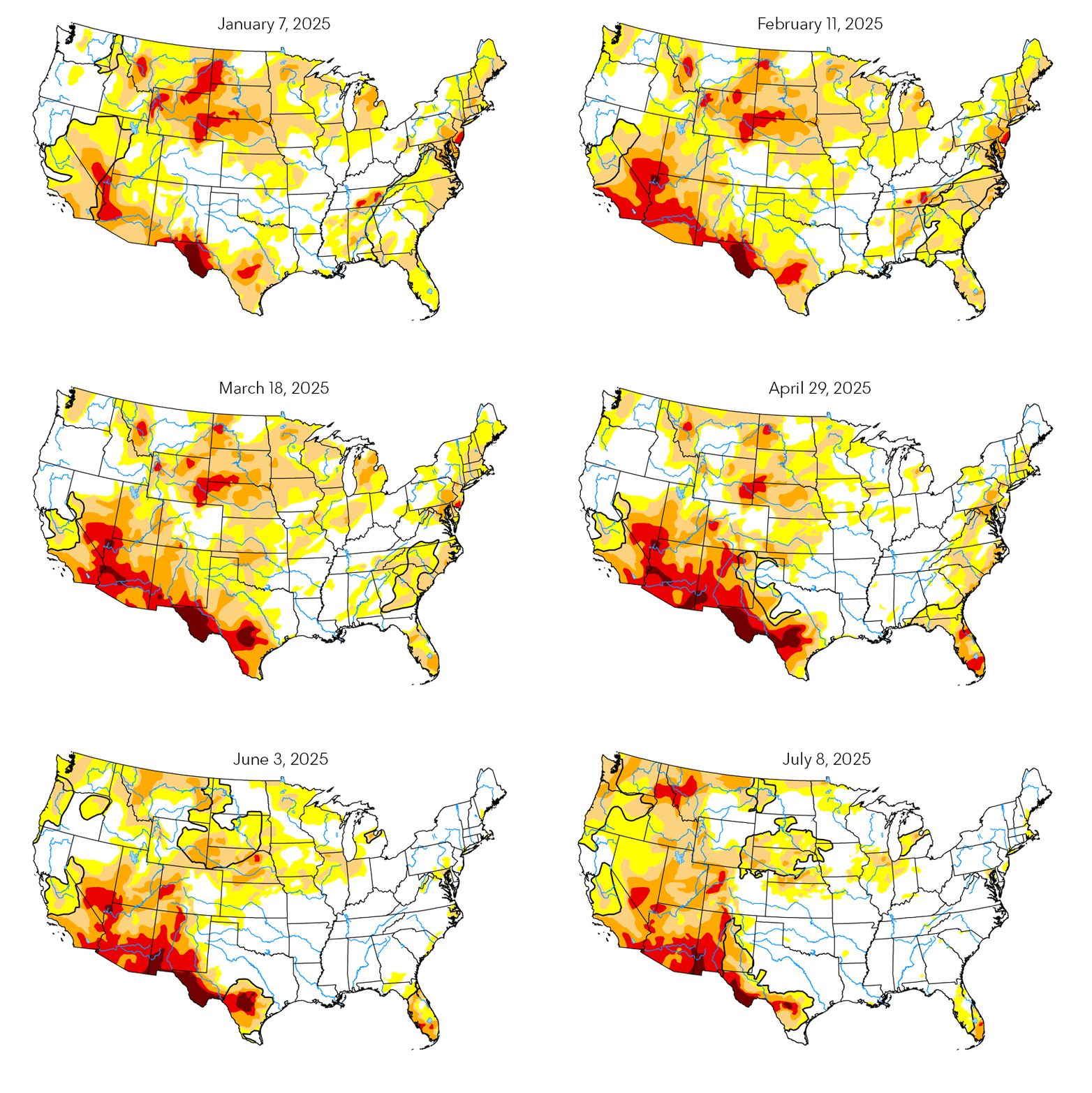
More than 900,000 customers were without power on Feb. 23 across Illinois, Indiana, Michigan, and Wisconsin as a powerful winter storm brought heavy rain, gusty winds, freezing rain, and snow to the region. Michigan was hit the hardest, with more than 800,000 outages reported.
Illinois saw heavy rain across the state, including daily records on Feb. 22 of 3.6 inches in Lincoln, 2.8 inches in Heyworth, and 1.4 inches in Peoria. The precipitation was expected to push the Illinois River to minor-flood stage at LaSalle, Henry, Peoria, Havana, and Beardstown late in the week.
Widespread rain also developed at midweek across northern Indiana and northern Ohio, with colder temperatures producing a wintry mix of rain, freezing rain, sleet, and snow. After a brief warmup on Feb. 23, another blast of cold weather and lake-effect precipitation was expected on Feb. 24.
Western Cornbelt:
A powerful winter storm hammered the Northern Plains and parts of Iowa during the week, dropping 16-21 inches of snow across central Minnesota and double-digit snow totals along the Minnesota-Iowa border.
The storm also brought 40 mph winds and a quarter-inch of ice to central and eastern portions of Iowa at midweek, with temperatures expected to fall to the single digits late in the week. Warmer weather was on tap for the coming weekend, however.

Heavy snow and strong winds also battered northern and western Nebraska, with subzero wind chills reported on Feb. 22-23. Damaging winds were also reported in eastern Missouri during the week, prompting a tornado watch on Feb. 22.
Southern Plains:
Temperatures across Kansas dropped to the teens and 20s on Feb. 23 after highs in the 60s earlier in the week. The drop in temperature was accompanied by strong winds and scattered rainfall, with wind chills falling to the single digits in some parts of the state.
Rain and thunderstorms moved across central and southern Oklahoma at midweek, with temperatures dropping to the 40s by the end of the week. Temperatures across central and northern Texas fell from the 70s early in the week to the 50s and low-60s by midweek, with an increased chance of precipitation over the coming weekend.
“With the warm weather, planters for corn are at full speed this week,” commented one Texas source.
High winds and snowfall were reported across central and northern New Mexico at midweek. The powerful winds also knocked out power to thousands of residents and kicked up dust storms in parts of the state. Snowfall, gusty winds, and bitterly cold temperatures were also reported across Colorado as the week progressed.
South Central:
A tornado watch was in effect at midweek for parts of Arkansas and western Kentucky as strong winds and heavy rain churned through the region. A wind advisory was also posted for Middle Tennessee, with forecasts warning of heavy downpours.
Much cooler weather was on tap for the end of the week, with temperatures falling from the 60s and 70s at midweek to the mid-40s across Arkansas by Feb. 24. A gradual warmup was in the weekend forecast for most of the region.
Southeast:
While heavy snow and frigid temperatures blanketed the northern Midwest, unseasonably warm weather moved into the Southeast during the week, triggering some busy fieldwork in several locations. “Corn planting should be starting by the end of next week, which is a little earlier than usual,” said one Carolina contact.
Temperatures reached the mid-70s across the Carolinas at midweek, with highs expected to reach the low-80s in some locations on Feb. 23. Cooler weather was on tap for the weekend, however, along with an increased chance of rainfall.
Record-setting highs in the low- to mid-80s were also reported across Virginia as the week progressed, with similar temperatures posted in Alabama during the week. Most of Georgia also enjoyed temperatures in the 70s and low-80s, while highs in central and southern Florida climbed to the upper-80s and even low-90s in some locations.