

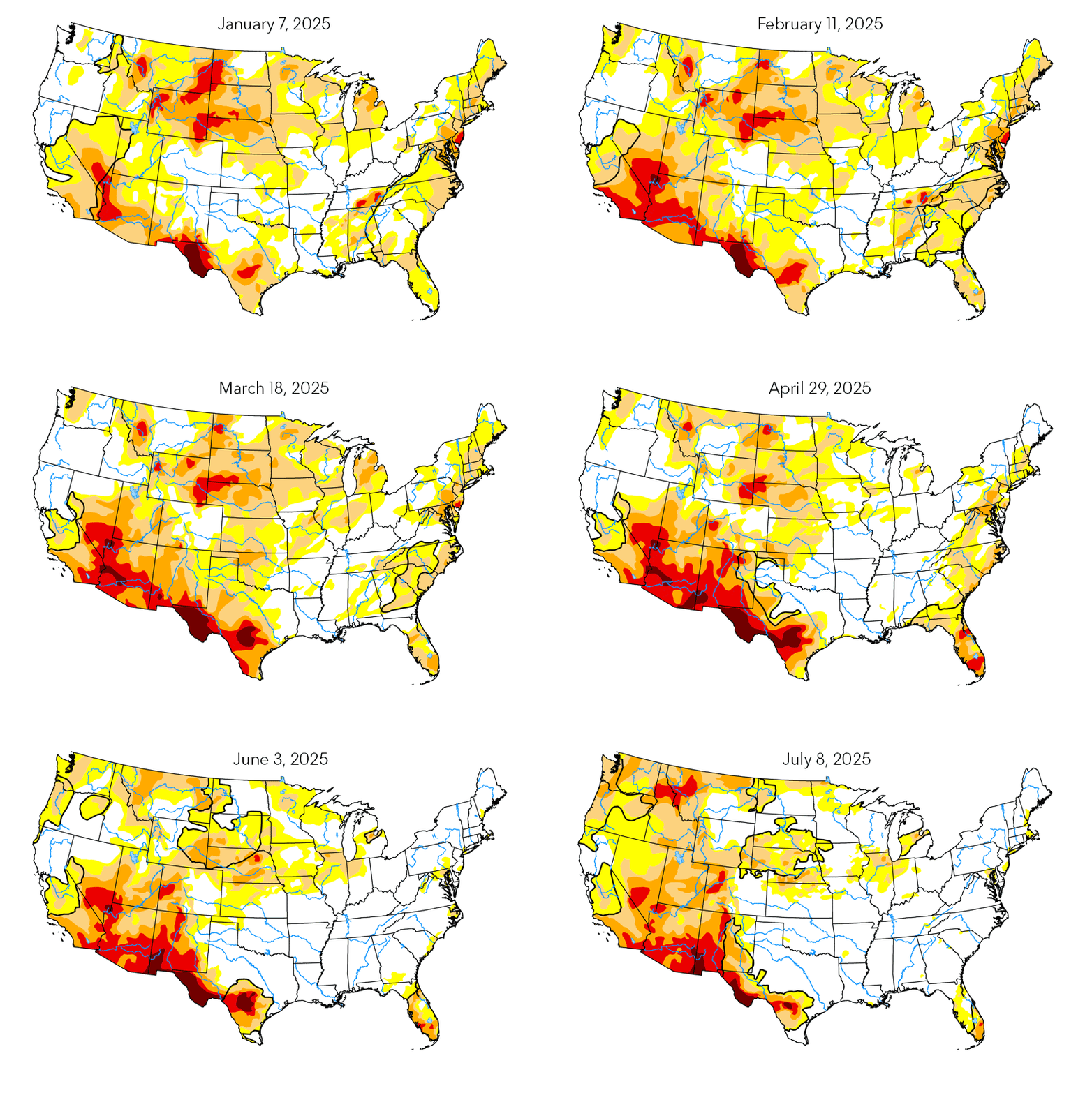
Eastern Cornbelt:
Much of the Eastern Cornbelt was hit with a wintry mix of precipitation during the week, along with strong winds that left thousands without power in central Indiana on March 15.
Chicago was blanketed with ice and up to an inch of snow early in the week, while 35-45 mph wind gusts churned through central Indiana. Strong winds also battered northern Ohio, and sources reported flood advisories for some areas due to heavy rain.
Forecasts warned of localized flooding in central Illinois late in the week as another system moved in, with some area rivers expected to reach minor flood stage by the weekend.
The regional fertilizer markets were mostly unchanged after weeks of rapid price movement, and sources said the wet weather will probably keep growers out of the field for several more weeks.
“We have received several inches of rain in the past week,” said one Illinois contact at midweek. “It’s going to be awhile before field operations commence. I think there is very little, if any, buying occurring.”
Western Cornbelt:

Winter Storm Xylia hammered parts of the Rockies and High Plains with heavy, wet snow and blizzard conditions on March 13-14. Storm totals included 48.5 inches west of Fort Collins, Colo., 30.8 inches in Cheyenne, Wyo., 19 inches near Gering, Neb., and 6-8 inches in parts of northern Iowa.
The powerful storm brought heavy rainfall to central and eastern Nebraska, with single-day records reported at 2.87 inches in Hastings, 2.56 inches in Grand Island, and 3.31 inches in Lincoln. Some areas in Nebraska’s Hall and Adams counties received well over five inches of rain before the storm moved out.
While Des Moines, Iowa, collected only a dusting of snow from the storm, the extra precipitation pushed the city’s snowfall total to 54.5 inches so far this winter, some 23.6 inches more than normal, according to the National Weather Service.
Kansas City, Mo., was hit with 1-3 inches of rain at midweek, with some outlying areas reporting 3-6 inches of snow. Warmer weather was on tap after the storm, however, with highs expected to climb from the 40s on March 18 to the 60s by the weekend.
California:
After some wet weather earlier in the week, much of Southern California enjoyed temperatures in the upper-60s, with a slight chance of showers returning to Ventura County over the weekend.
Northern California also enjoyed mild temperatures at mid-month after a series of storms earlier in March brought much-needed moisture to the Sacramento Valley and other locations. “Though we have experienced some welcome precipitation, field activities have been building,” said one Northern California source at midweek.
“Things are starting to move,” added another California contact. “I expect a big push once the weather clears next week.”
Pacific Northwest:
Sources reported wet conditions along coastal areas of Washington and Oregon as the week progressed, with potentially heavy snow at higher elevations. Most other areas of the Pacific Northwest enjoyed sunny weather and mild temperatures during the week, with highs climbing to the upper-50s and low-60s in parts of southern Idaho and western Montana.
The weekend forecast called for a greater chance of rain in the valleys and snow in the mountains across parts of Idaho and Montana. There were reports of some spring planting and other fieldwork happening in the Willamette Valley and Columbia Basin during the week, although it’s still early for most of Idaho and Montana.
Western Canada:
Double-digit heat was reported in southern Alberta during the week, with much of Saskatchewan experiencing single-digit highs at midweek along with steadily warming conditions as the week progressed. While heavy moisture was reported across British Columbia earlier in March, much of the province enjoyed warm, dry weather at mid-month.
Conditions in southern Manitoba remained mild and extremely dry, with some locations registering only a quarter of normal precipitation levels since September. While sources said this bodes well for spring flooding across the province, there were growing concerns about a lack of adequate soil moisture ahead of planting.
One Manitoba contact noted, however, that as much as 25 percent of the province’s annual snowfall normally occurs after March, so moisture levels could be recharged quickly if a number of big storms track through the province during the second half of the month.
Some parts of the Prairies were on the cusp of some early spring fieldwork. “Southern Alberta could start in the next couple weeks if the weather holds, and it looks promising,” said one source. “The biggest concern is soil moisture at this point.”