

Eastern Cornbelt:
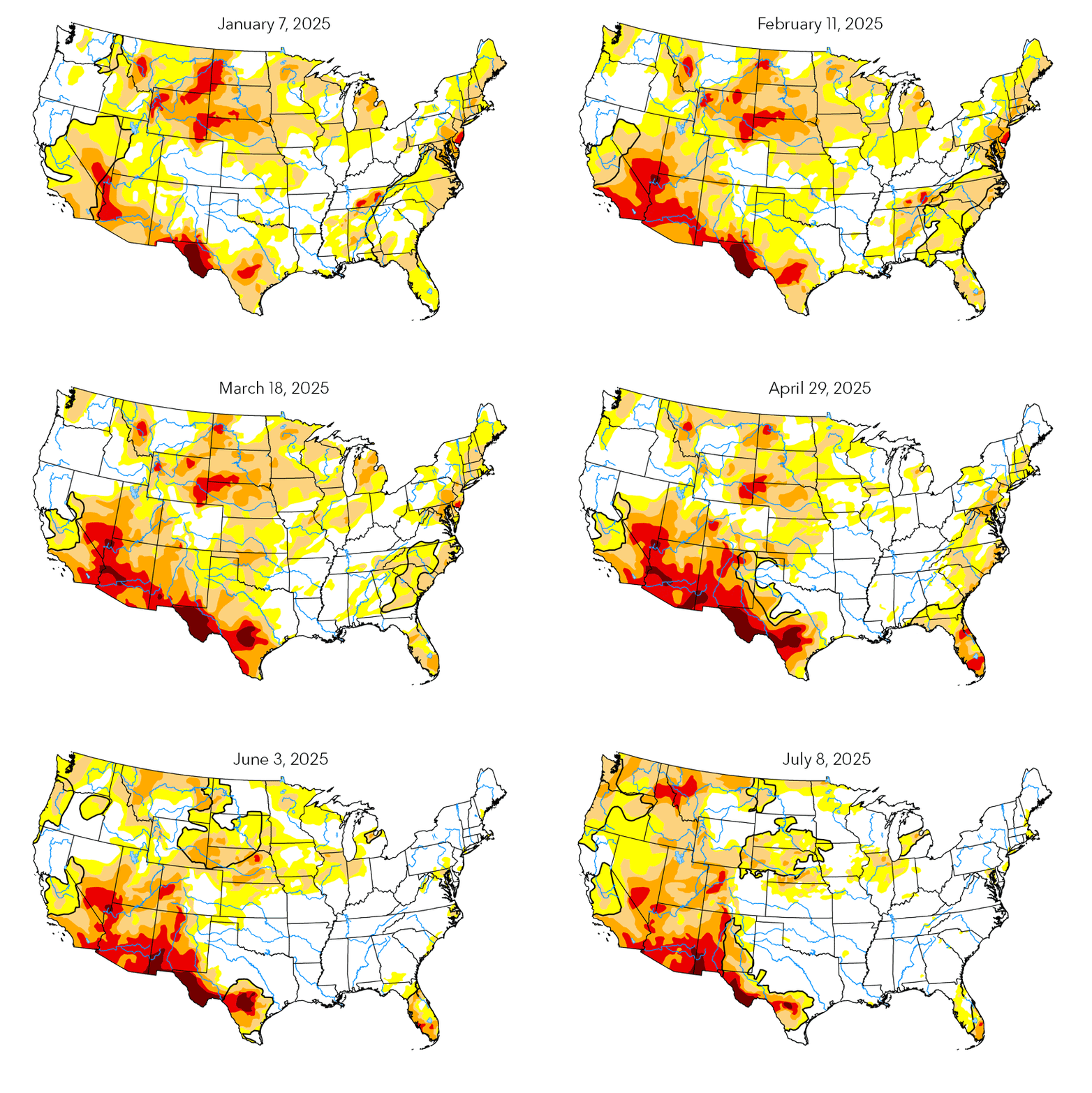
Winter weather was once again moving into the Eastern Cornbelt in late February, with reports of up to six inches of snow along the Illinois-Wisconsin border, 1-4 inches in other areas of northern Illinois, and freezing rain in central and northern Indiana.
Northern Ohio was also bracing for 2-4 inches of snow as the week progressed, with some central areas of the state reporting up to a quarter inch of ice. Flood watches were in effect during the week for several parts of central and southern Ohio after up to an inch of rain fell on Feb. 22-23.
Western Cornbelt:
Winter weather conditions were reported throughout the Western Cornbelt in late February. A Feb. 23-24 system brought 1-3 inches of snow to eastern Iowa and 1-2 inches to eastern Nebraska and western Iowa, along with 15-20 mph winds.
The St. Louis, Mo., area was blanketed with an inch or more of snow and sleet on Feb. 23-24, while parts of the Ozarks were expecting a half-inch coating of ice by Feb. 25.
Southern Plains:
Freezing rain, snow, and cold temperatures were reported across Kansas at midweek. One contact said highs in his location plunged from 72 degrees on Feb. 21 to just 10 degrees on Feb. 22, with some parts of the state collecting 6-8 inches of snow.
Winter Storm Oaklee also brought sleet and freezing rain to Texas and Oklahoma at midweek, along with subzero wind chills in some locations. McAlester and Norman, Okla., received 1-2 inches of sleet from the storm, while temperatures dropped to the teens across western and northern Texas.
Northern and western New Mexico were also hammered by cold, windy weather at midweek, along with snow flurries in the valleys and heavy accumulation in the San Juan Mountains.
One central Texas source reported temperatures down to the low-20s at midweek. “We had planters loaded up and ready to run,” he said, but the combination of cold temperatures and freezing rain kept fieldwork to a minimum during the week.
Corn planting was underway on the coastal bend and in parts of the Texas Blacklands, but severe-to-extreme drought also limited planting in the northern half of the state. “If we don’t get real lucky real quick, it’ll be a lost crop very soon,” said one Texas contact in reference to the worsening drought conditions. “If there’s no change in two weeks, it’ll be a bad, bad problem.”
South Central:
Winter Storm Oaklee brought freezing rain and sleet to much of Arkansas at midweek, along with heavy rain to portions of Tennessee. Local news reports confirmed many cancelled flights into and out of Little Rock, Ark., at midweek due to ice and freezing rain.
A number of flood watches were in effect in Tennessee stemming from 1-3 inches of rainfall by midweek, with another 1-3 inches possible through the end of the week. Kentucky also collected a wintry mix of rain and ice from the storm, while a large portion of Louisiana was at a marginal risk for severe weather on Feb. 23.
Southeast:
The Southeast experienced a mix of weather conditions in late February, ranging from summerlike heat in southern Florida to wet and cold in Virginia. In areas where weather conditions allowed, spring fieldwork was off to a good start in the region.
“We are actually not as busy as we should be this time of the year,” said one source. “I think the cold weather has put everyone behind.”
Temperatures in the 50s were reported across North Carolina at midweek, while cool, wet weather conditions were dominant in Virginia. South Carolina and Alabama enjoyed highs in the 70s during the last days of February, ahead of an increased chance of showers by the weekend.
After heavy rain and damaging winds late the previous week, most of Georgia enjoyed warm and dry conditions during the week, despite reports of heavy rain in the North Georgia mountains at midweek. Southern Floridians enjoyed temperatures in the 80s during the week, with an increased chance of rain by the weekend.