

Eastern Cornbelt:
After a brief round of light snow across parts of northern Indiana and northern Ohio early in the week, much warmer temperatures settled over the Eastern Cornbelt at mid-month and helped spring fieldwork get off to a brisk start in many locations.
Central Illinois saw highs climbing into the 60s and low-70s during the week, with reports of minor flooding on a few regional rivers and streams. Rain and cooler weather was on tap for the coming weekend, however.
Highs in the 60s and 70s were also reported in central Indiana and central and northern Ohio as the week progressed, with showers expected to ramp up on March 18. Forecasts warned of up to a half inch of rain in parts of Ohio by the weekend, with highs dropping to the 50s.
Western Cornbelt:
After a dry and warm start to the week, Iowans were bracing for rain and colder temperatures by the end of the week, with a potential for snow in some northern areas of the state. Much warmer weather was once again on tap for the weekend, however.
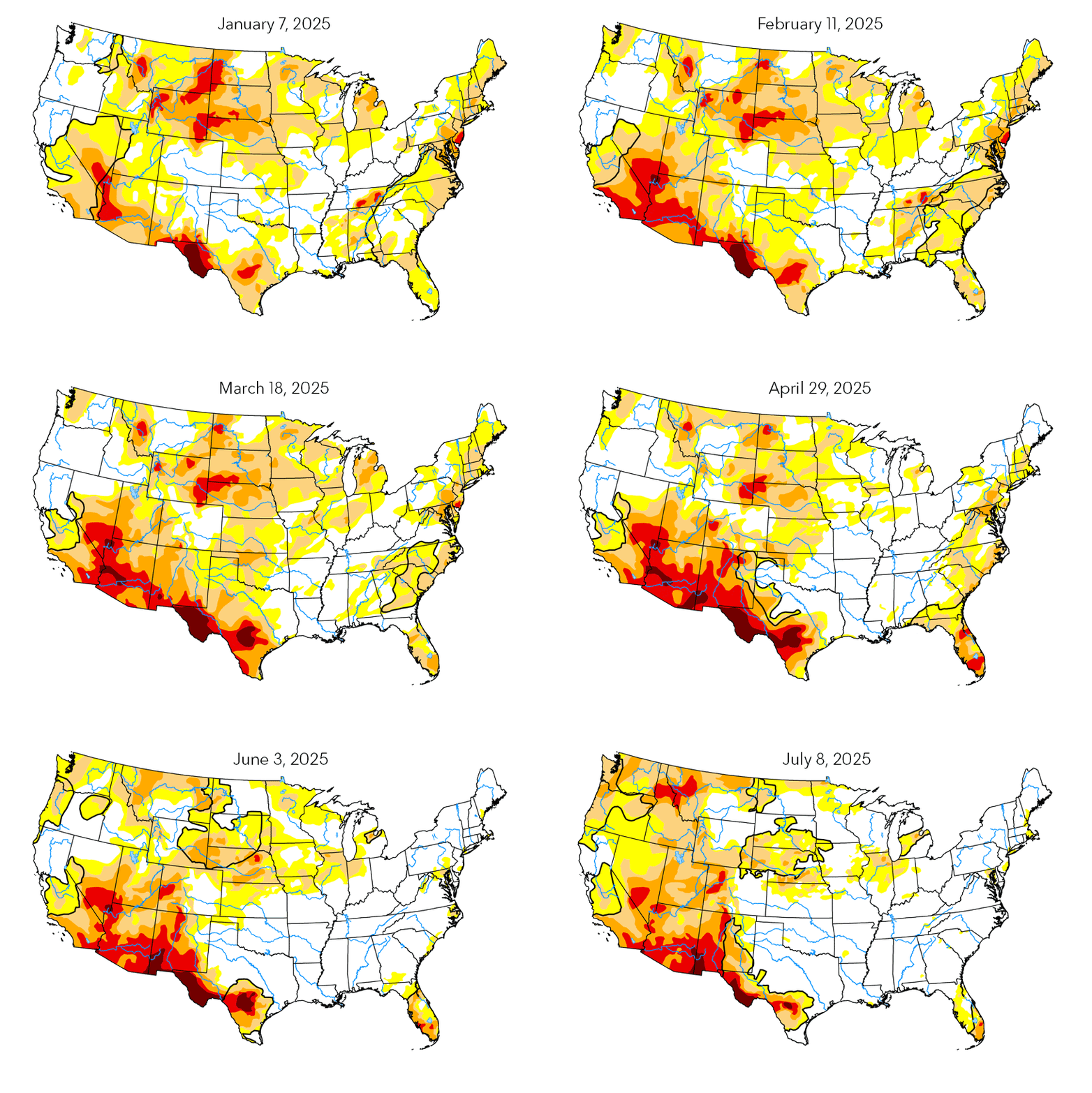
A chance of rain and snow was also reported in western Nebraska on March 17 after several days of spring-like temperatures. The March 17 U.S. Drought Monitor showed drought covering all of Nebraska, with a wide swath of severe-to extreme drought stretching across the central portion of the state.
Much of Missouri experienced temperatures in the 60s and 70s as the week progressed, which allowed for a flurry of spring fieldwork and preplant ammonia application in the state.
Southern Plains:
A winter storm brought rain and snow to Colorado, northern New Mexico, and western Kansas during the week, while temperatures in eastern Kansas pushed up into the 70s.
Denver collected nearly five inches of snow at midweek, with another three inches possible in some Colorado locations before the system moved out on March 17. Lesser amounts were reported across western Kansas, with eastern areas of Kansas expecting rainfall ranging from 0.25 to 1.25 inches late in the week.
Weather conditions varied greatly across Texas, from extreme warmth in the south to a potential rain/snow mix by March 17 in far northern areas of the state. Much of western Texas was under extreme fire danger during the week due to drought conditions and strong winds, while the eastern edge of the state was expecting potentially strong thunderstorms late in the week.
Soil conditions remain very dry across the Southern Plains, with extreme-to-exceptional drought reported across much of Oklahoma and a sizable swath of Texas on March 17. “We are very dry in this region,” commented one regional contact. “I was talking with a farmer yesterday who was planting oats, and even at four inches in the ground it was dry.”
Sources said fieldwork and spring fertilizer movement was starting to pick up in the region, but trucks remain hard to find. “Truck transportation is difficult and rates have adjusted higher, even before increases in fuel surcharges,” said one contact.
South Central:
After widespread snowfall across Arkansas, Tennessee, and Kentucky over the previous week, spring temperatures returned to much of the South Central region during the week, with highs climbing into the 70s and even 80s.
Some showers were possible across Tennessee late in the week, and a band of strong thunderstorms was taking aim at the southern edge of the region over the weekend and into next week, with the highest risk in eastern Texas, western Louisiana, and southwestern Arkansas. Forecasts warned of potentially damaging winds, large hail, and tornadoes on March 21.
Southeast:
Much of the Southeast experienced severe weather at mid-month, including an overnight storm in the Charlotte, N.C., area on March 12-13 that produced strong winds, widespread power outages, and up to 10 inches of snow in the North Carolina mountains.
Showers and thunderstorms were reported in parts of Virginia, South Carolina, Alabama, and Georgia at midweek, with reports of heavy rain in some locations and a heightened risk of tornadoes and hail. Multiple tornado warnings were also in effect across central Florida at midweek.
Much of the region was expecting drier weather with temperatures in the 70s later in the week, before another system ushers in more precipitation over the coming weekend.
Spring fertilizer application was underway with reports of corn being planted in some areas, although Florida sources said frost damage to citrus crops has cut down on early spring demand. “Between low prices, low production, and high input costs, most citrus growers are cutting back if not giving up,” said one contact.
Added another contact: “I’ve spoken to some farmers that are leery to plant with the fertilizer prices right now.” Availability was also a growing concern. “Containers are still a big issue,” said one source. “We are waiting on product that was ordered over six months ago.”