

Eastern Cornbelt:
Temperatures in the mid-80s were common across Illinois and Indiana during the week, with highs climbing to the mid- to upper-80s in parts of Ohio. Although spotty showers were reported during the week, most areas remained dry in late August.
With 20-37% of the regional corn crop at the dented stage by Aug. 21, USDA assigned good or excellent ratings to 70% of the acreage in Illinois, 60% in Ohio, and 54% in Indiana. Some 80-88% of the regional soybean crop was setting pods by that date, with good or excellent ratings assigned to 68% of the acreage in Illinois, 59% in Ohio, and 55% in Indiana.
Western Cornbelt:
Thunderstorms were rolling through parts of Iowa at midweek, with reports of brief but heavy rain and strong winds in central and southern areas of the state.
Spotty thunderstorms were also reported across Nebraska as the week advanced, with afternoon highs reaching the mid-80s to low-90s. Similar conditions were reported in Missouri, although with higher humidity as the week progressed.
Good or excellent ratings were assigned to 62-66% of Iowa’s corn and soybeans on Aug. 21, with 30% of the corn crop at the dented stage and 88% of the soybeans setting pods. Nebraska’s corn and soybeans were 42-46% good or excellent, with 39% of the corn dented and 93% of the soybeans setting pods.
Missouri’s corn and soybeans were 49-51% good or excellent, with 55% of the corn dented and 73% of the soybeans setting pods. The state’s cotton crop was 52% good or excellent, while the Missouri rice crop was rated at 53% good or excellent. Nebraska’s sorghum crop slipped to 20% good or excellent on Aug. 21, with 52% of the crop rated as poor or very poor.
Northern Plains:

Temperatures in the upper-70s and low-80s were common across central and southern Minnesota during the week, with spotty afternoon showers reported.
Parts of North Dakota were hit with strong thunderstorms at midweek, with reports of some areas collecting 2-3 inches of rain. A marginal risk of severe weather was in the Black Hills forecast for the end of the week, with forecasts warning of 1-3 inches of rain possible in some areas of South Dakota.
USDA rated 67-68% of the corn crop in Minnesota and North Dakota as good or excellent on Aug. 21, compared with 48% in South Dakota. Minnesota’s soybeans were 67% good or excellent, compared with 55-57% of the crop in the Dakotas. The South Dakota sorghum crop was 40% good or excellent on that date.
The spring wheat harvest was just 18% complete in North Dakota, 30% in Minnesota, and 84% in South Dakota, with good or excellent ratings assigned to 88% of the crop in Minnesota, 74% in North Dakota, and 47% in South Dakota. The barley harvest was also lagging at 28-30% complete in Minnesota and North Dakota, with 68-73% of the crop rated as good or excellent.
Northeast:
Southern New England received more than three inches of rain in some spots early in the week, while southern Maine was under a flash flood warning on Aug. 22 due to rainfall ranging from 1.5 to 3 inches. Portland, Maine, notched a daily record rainfall total on Aug. 22.
Storms also rolled through Pennsylvania on Aug. 22, bringing heavy rain and thunderstorms across the state. Conditions remained hot and humid in Maryland, with temperatures climbing into the 90s as the week progressed.
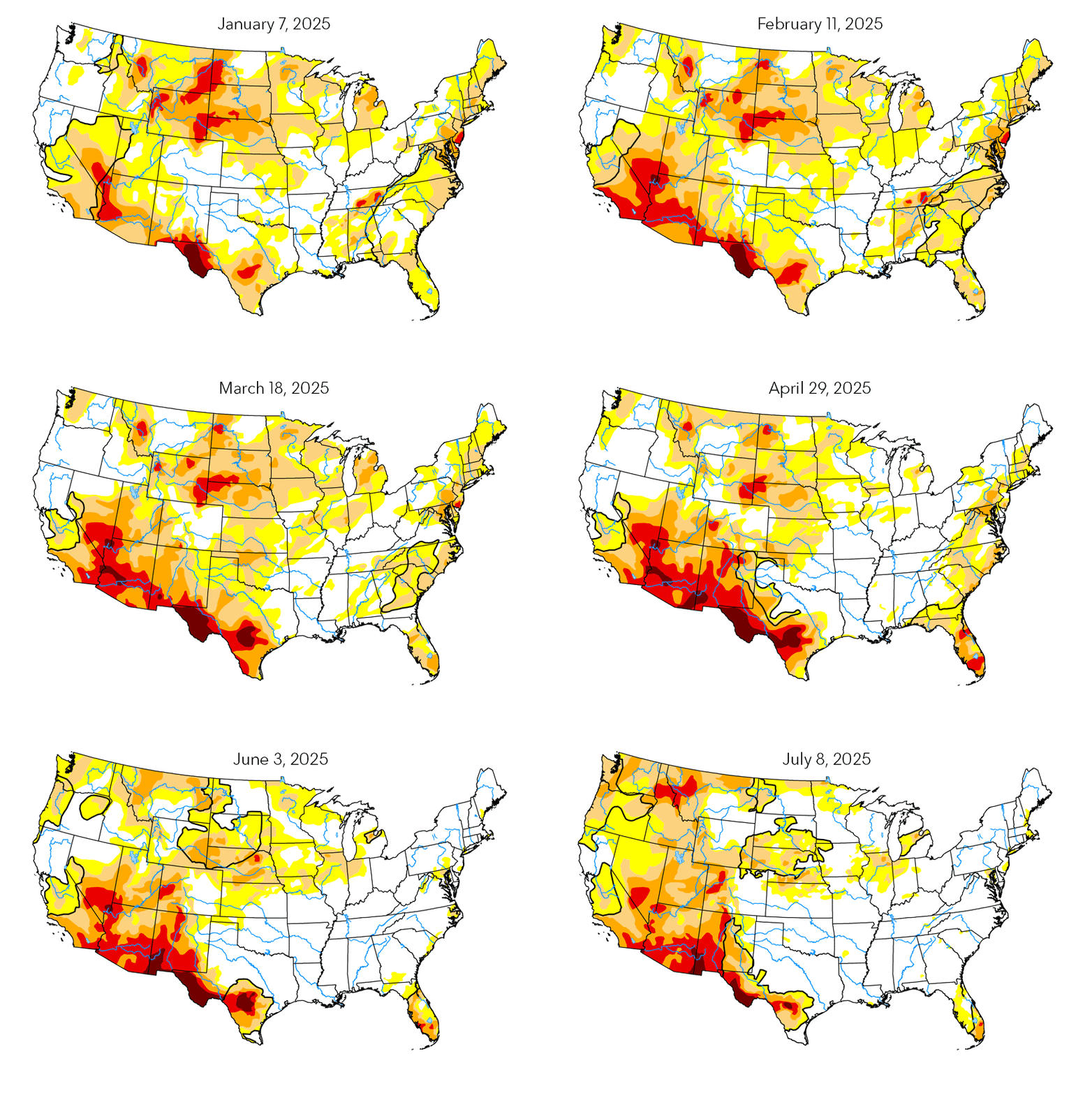
Crop conditions were varied across the Northeast, depending on summer rainfall, with severe-to-extreme drought conditions present in areas of New England in late August. Pennsylvania’s corn crop was 11% dented by Aug. 21, with 52% of the acreage rated as good or excellent.
Eastern Canada:
Strong thunderstorms tracked through southern Ontario late in the week, while earlier storms hammered Quebec and parts of the Maritimes.
A severe thunderstorm watch was in effect for portions of southern Ontario on Aug. 25, with a tornado watch posted near Milton, Ont. Four days earlier, strong thunderstorms brought heavy rain and hail to southern Quebec, leaving large areas of the province without power late on Aug. 21.
The previous week brought heavy rain to parts of the Maritimes, causing flooding in some locations. Four inches or more of rain fell in parts of Eastern Cape Breton, Nova Scotia, and Keswick Ridge, New Brunswick, on Aug. 17-18.
Sources reported mixed crop conditions in the region in late August, depending on the amount and timing of summer rainfall. “Crops over here look okay, but some are still lacking a bit of moisture,” said one Ontario source. “All in all, I think we will be okay.”