

Eastern Cornbelt:
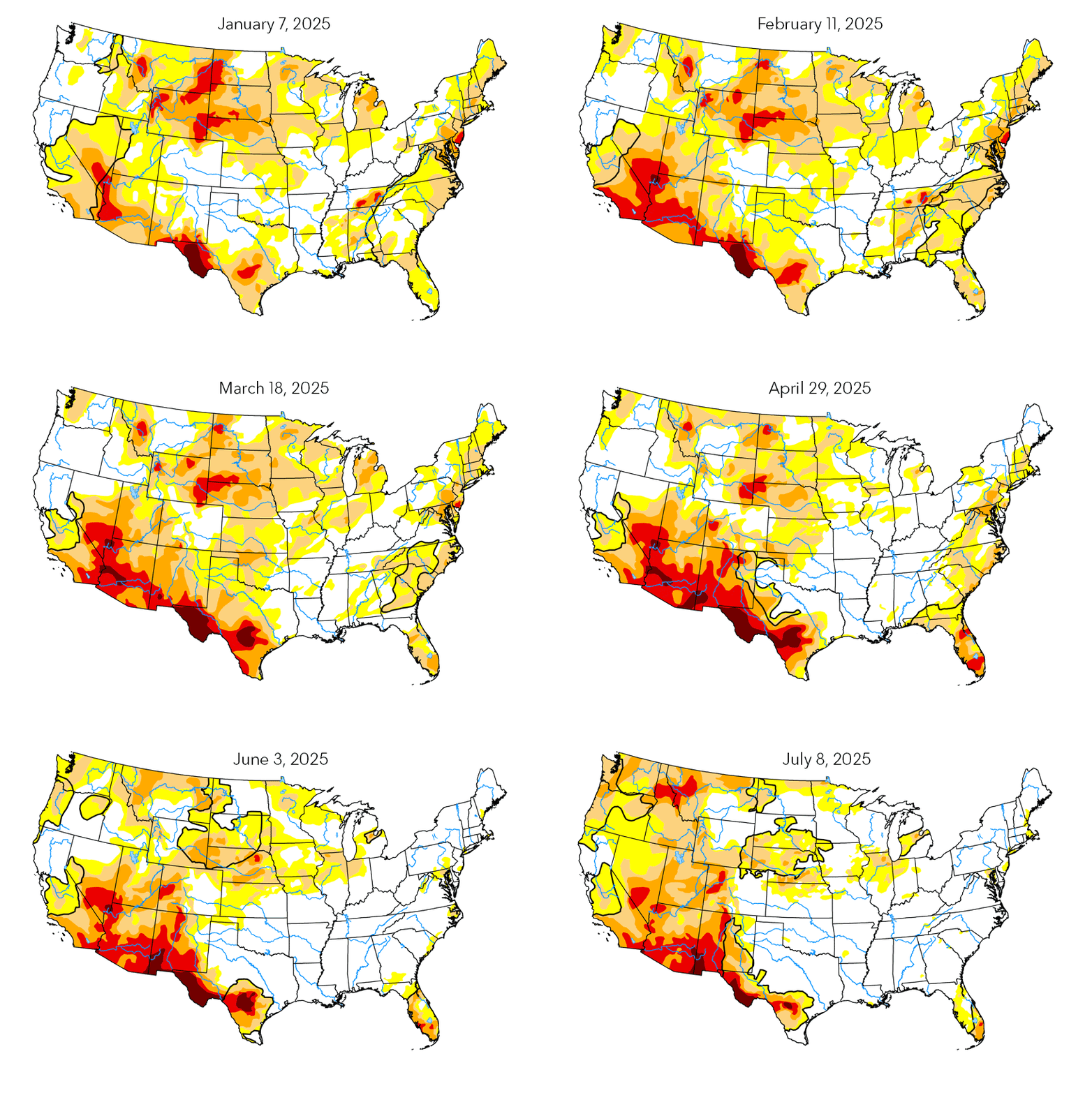
Dense fog advisories were once again issued for several locations in the Eastern Cornbelt during the week, including northern Illinois, as temperatures warmed to the 50s and scattered showers moved through the region.
Temperatures across Indiana and Ohio were nearly 20 degrees above normal, with highs reaching the upper-50s and low-60s during the week. Record warmth was also reported in Michigan in early February. Rains chances increased for the coming weekend, however, with forecasts warning of potentially heavy downpours in some locations.
Western Cornbelt:
Record highs in the low-60s were notched in multiple Iowa locations at midweek, with low temperatures remaining in the 40s. Light showers were reported in northwestern Iowa late in the week, with gusty winds picking up across the state.
Unseasonably warm and windy weather was also reported across Nebraska during the week, prompting flood watches along portions of the Platte, Loup, and Elkhorn Rivers due to ice jams. Wind advisories and red flag warnings were in effect for parts of western Missouri as well.
California:

A powerful atmospheric river brought torrential rain and heavy snow to California in early February, causing widespread flooding, mud slides, and power outages and leaving at least nine people dead.
The system dropped more than eight inches of rain in Los Angeles over three days, ranking as the second wettest three-day period in the city’s history. The state’s highest rainfall total was recorded at Cogswell Dam, which posted 13.86 inches over four days. The storm also brought heavy snowfall to the Sierra Nevada, including up to three feet at Mammoth Mountain.
Pacific Northwest:
Rain and snow flurries were reported across central Oregon at midweek, with highs in the 30s and 40s. Similar temperatures were reported in the valleys of southern Idaho, with up to a foot of snow recorded at higher elevations. Highs in the 50s were expected in both states by mid-February, however, continuing a trend of above-normal temperatures for the region.
Similar conditions were reported in western Washington in early February, with rain at lower elevations and up to 4-8 inches of snow in the Cascades. More significant snowfall hit western and central Montana during the week, with highs topping out in the 20s and 30s across the state.
Western Canada:
Snowfall warnings were issued for western Manitoba and southeastern Saskatchewan at midweek, with 10-15 cm of accumulation expected in some locations, along with a mix of snow and freezing rain in others. In southern Alberta, fog advisories were in effect at midweek.
Much of the region has experienced above-normal temperatures and below-normal winter precipitation in recent weeks. While temperatures were expected to drop after the snowfall, most areas will still be above seasonal norms heading into mid-February. “It’s looking like we’ll need a lot of snow in March or rain in April,” said one regional contact.